What Makes Fresh Ahi Different? A Look at Our Local Ahi
· Aloha Salads
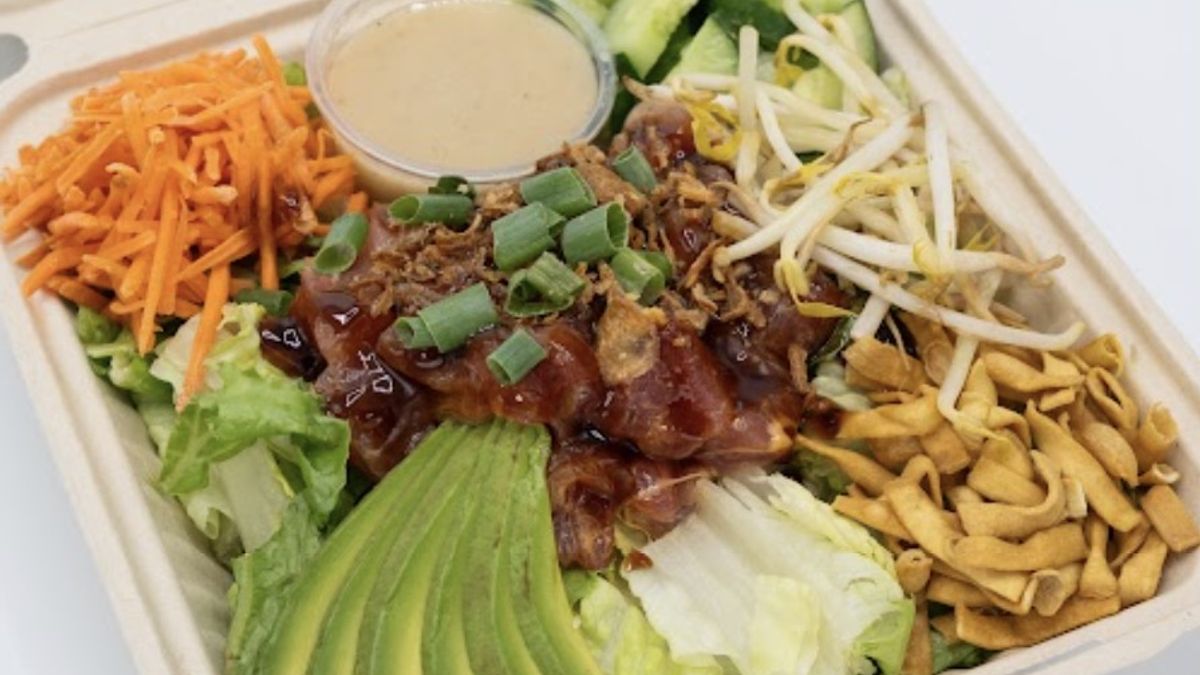
There's something special about enjoying fresh ahi in Hawaii. Whether you've grown up eating it or you're trying it for the first time, the quality of the fish can make a difference to your meal.
But what does fresh ahi actually mean? And how can you tell where the fish on your plate came from?
At Aloha Salads, our ahi is fresh, local and never frozen. We receive it from a Honolulu seafood supplier that provides detailed sourcing records with every delivery, including the name of the fishing vessel that landed the catch.
It's a level of traceability we're proud to share, and it helps explain why we're particular about the ahi we serve.
What Does Fresh Ahi Mean in Hawaii?
Ahi is the Hawaiian name commonly used for yellowfin and bigeye tuna. It's a familiar part of island food culture, appearing in everything from poke bowls to grilled fish dishes.
When a restaurant describes its ahi as fresh, however, it's worth understanding what that means.
Fresh, never-frozen ahi has not been subjected to a freezing process. Depending on how it's handled, it may have a different texture from fish that has been frozen and thawed.
That doesn't automatically make frozen ahi inferior. Proper freezing can help preserve seafood, and the condition of any fish depends on how it's stored and handled.
What matters is knowing what you're getting.
At Aloha Salads, we can be specific about our ahi. It's locally sourced through a Honolulu seafood supplier, delivered fresh and has never been frozen.
We also have documentation that connects each delivery to the fishing vessel behind the catch.
Where Does Aloha Salads Get Its Fresh Ahi?
Our ahi comes from a Honolulu seafood company that supplies all six Aloha Salads locations on Oahu.
Our busier stores receive approximately four ahi deliveries a week, helping us manage supply according to each restaurant's needs.
But the delivery schedule is only part of the story.
Every ahi delivery includes sourcing information that tells us more about the fish and where it came from.
We Can Trace Our Ahi Back to the Catch Vessel
Each delivery record includes four important details:
- Fishing vessel: The name of the boat that landed the ahi.
- Country of origin: Recorded as USA.
- Wild-caught identification: The fish is documented as wild.
- Lot number: A reference used to identify and track the delivered fish.
These records matter because different deliveries can come from different fishing vessels.
Rather than relying on a general claim that our ahi is local, we have documented information behind the fish we receive.
This doesn't mean we buy directly from individual fishermen. Our seafood comes through a Honolulu supplier, which maintains the connection to the catch records.
For customers who care about where their food comes from, that distinction is worth knowing.
Why Seafood Traceability Matters
When you're eating ahi, you probably aren't thinking about lot numbers or fishing vessel records.
You're thinking about how your meal tastes.
Still, the information behind an ingredient can tell you something important about how a restaurant approaches sourcing.
Seafood traceability helps businesses identify where fish originated and distinguish one shipment from another. It can also support supply-chain recordkeeping if questions arise about a particular delivery.
For restaurants, that means having more information than a product name on an invoice.
For diners, it offers a clearer picture of what a restaurant actually knows about the seafood it serves.
At Aloha Salads, our ahi sourcing is one example of how we connect our menu to documented ingredient origins.
It doesn't tell you everything about how a fish was caught or handled, but it gives us specific information we can verify.
Fresh Ahi vs. Frozen Ahi: Is There Really a Difference?
If you've ever wondered whether fresh ahi is better than frozen ahi, the answer isn't as simple as it sounds.
Both can make an enjoyable meal. Their quality depends on factors such as temperature control, handling and storage.
Here's a practical comparison.
| Fresh, never-frozen ahi | Previously frozen ahi | |
|---|---|---|
| Freezing history | Has not been frozen | Has been frozen and thawed |
| Texture | Reflects the fish's condition and handling | May change depending on freezing and thawing |
| Storage | Requires careful refrigeration | Can be stored frozen for longer periods |
| Quality | Depends on sourcing and handling | Also depends on sourcing and handling |
| What to ask | Where was it caught and how was it delivered? | How was it frozen and thawed? |
One important point: never-frozen does not automatically mean safer to eat. Proper seafood handling is essential regardless of whether the fish has been frozen.
At Aloha Salads, we serve fresh, never-frozen ahi because that's the sourcing choice we've made for our menu.
And rather than asking customers to take a broad freshness claim at face value, we can explain the records behind it.
Two Ways to Enjoy Fresh Ahi at Aloha Salads
One of the best parts of eating ahi is how well it works with different flavors.
At Aloha Salads, you'll find our fresh, never-frozen ahi in two menu favorites. One pairs it with fruit and greens, while the other brings together savory ingredients in a pita wrap.
Both start with the same locally sourced ahi, but each offers a different eating experience.
Ono Island Ahi: Fresh Ahi With Island-Inspired Flavors
Ono Island Ahi
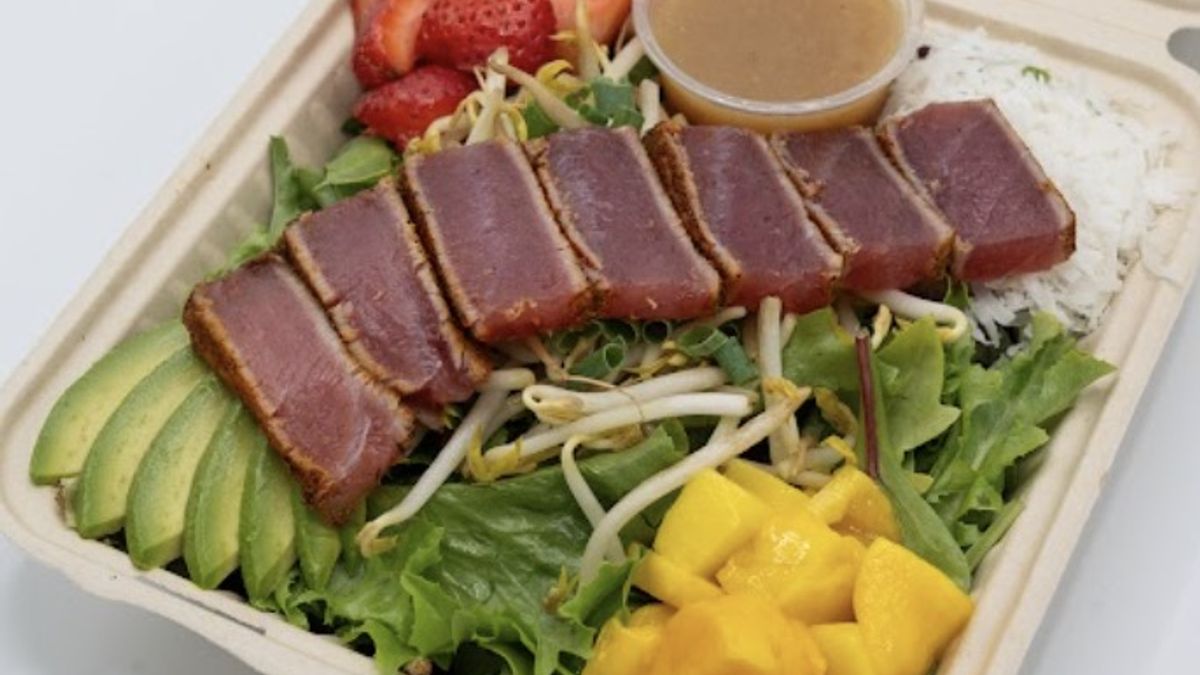
Our Ono Island Ahi salad combines ahi tuna with mixed greens, mango, avocado, coconut, strawberries, green onions and bean sprouts. It's finished with passion orange vinaigrette.
The ahi provides the savory foundation, while the avocado adds a creamy contrast. Strawberries and mango bring sweetness, and the bean sprouts give the salad some crunch.
It's a combination for anyone who enjoys fruit alongside seafood.
The passion orange vinaigrette ties the ingredients together with a citrus-forward flavor.
If you're looking for a fresh ahi salad in Hawaii with a mix of sweet and savory ingredients, the Ono Island Ahi is a good place to start.
Fresh Island Ahi Wrap: A Savory Way to Enjoy Ahi
Fresh Island Ahi Wrap
Not in the mood for a salad? Our Fresh Island Ahi Wrap offers another way to enjoy the same fresh, never-frozen ahi.
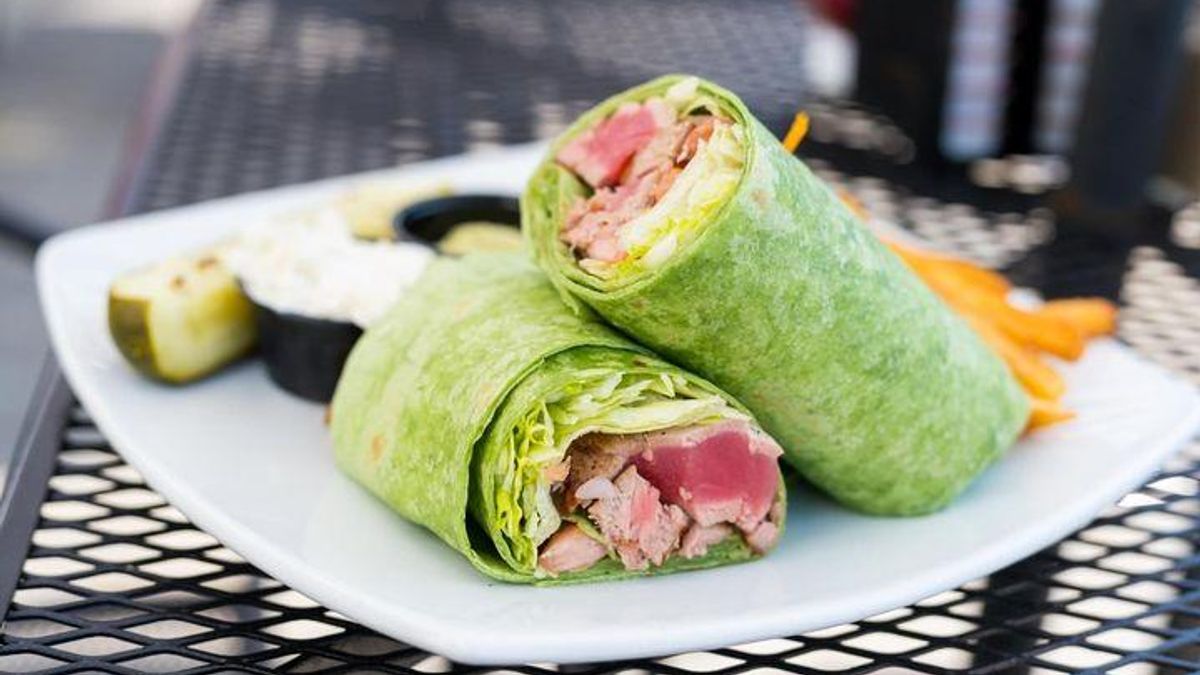
It includes ahi, grape tomatoes, red onion, mixed greens and capers, with champagne dressing in a pita.
The capers add a briny flavor that complements the fish, while the tomatoes and red onion keep the combination lively.
It's a good choice when you want something handheld with a more savory flavor profile.
Which Ahi Dish Should You Choose?
| If you prefer... | Try |
|---|---|
| Fruit and seafood together | Ono Island Ahi |
| Creamy avocado and coconut | Ono Island Ahi |
| Savory flavors with capers | Fresh Island Ahi Wrap |
| A handheld lunch | Fresh Island Ahi Wrap |
| A salad with mixed greens and ahi | Ono Island Ahi |
You can explore both dishes on the Aloha Salads menu.
What Should You Look for When Ordering Fresh Ahi in Hawaii?
You don't need to be a seafood expert to ask good questions about ahi.
If you're comparing restaurants or deciding what to order, a few simple details can help you understand what you're getting.
Ask whether the ahi has been frozen. Restaurants may use the word fresh differently. Asking directly is the easiest way to understand the fish's freezing history.
Find out where it came from. Some restaurants can identify the country of origin, while others may have more detailed sourcing records.
Consider how the fish is served. Ahi paired with fruit and a citrus dressing will taste different from ahi served with capers and red onion. Neither is necessarily better. It depends on what you enjoy.
Pay attention to the restaurant's explanation. Specific sourcing information is more useful than broad claims about freshness or quality.
At Aloha Salads, we're happy to explain what we know about our ahi, including its never-frozen status and the traceability information provided by our supplier.
Our Commitment to Local Ingredients Goes Beyond Ahi
Aloha Salads started in Kailua in May 2006 with a mission centered on fresh food and support for local growers.
Twenty years later, sourcing remains an important part of how we approach our menu.
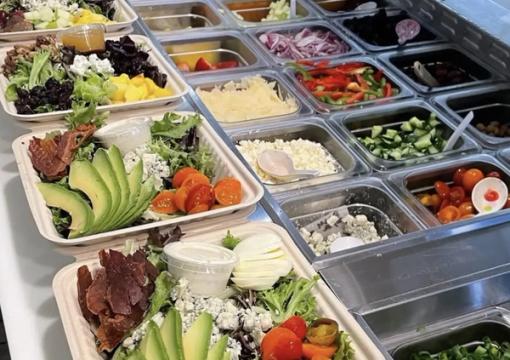
Alongside our local ahi, we receive vine-ripe tomatoes from a farm in Hauula through a standing weekly order. We also source cucumbers and another tomato variety from a separate Oahu farm.
Other Hawaii-grown produce can appear in our regular orders depending on what's available.
Not every ingredient we use is grown locally, and we believe it's important to be clear about that.
Our ahi is one ingredient whose sourcing we can describe in detail, right down to the fishing vessel recorded on its delivery documentation.
You can learn more about our story on the Aloha Salads About page.
Where to Enjoy Fresh Ahi on Oahu
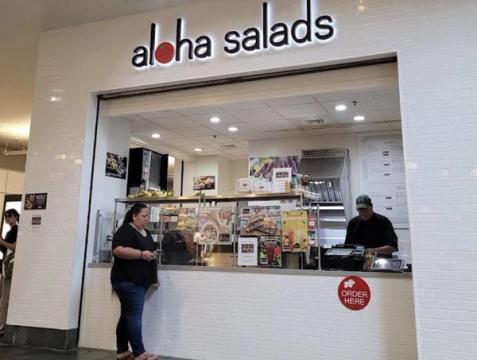
Craving ahi for lunch or dinner? You can find Aloha Salads at six locations across Oahu.
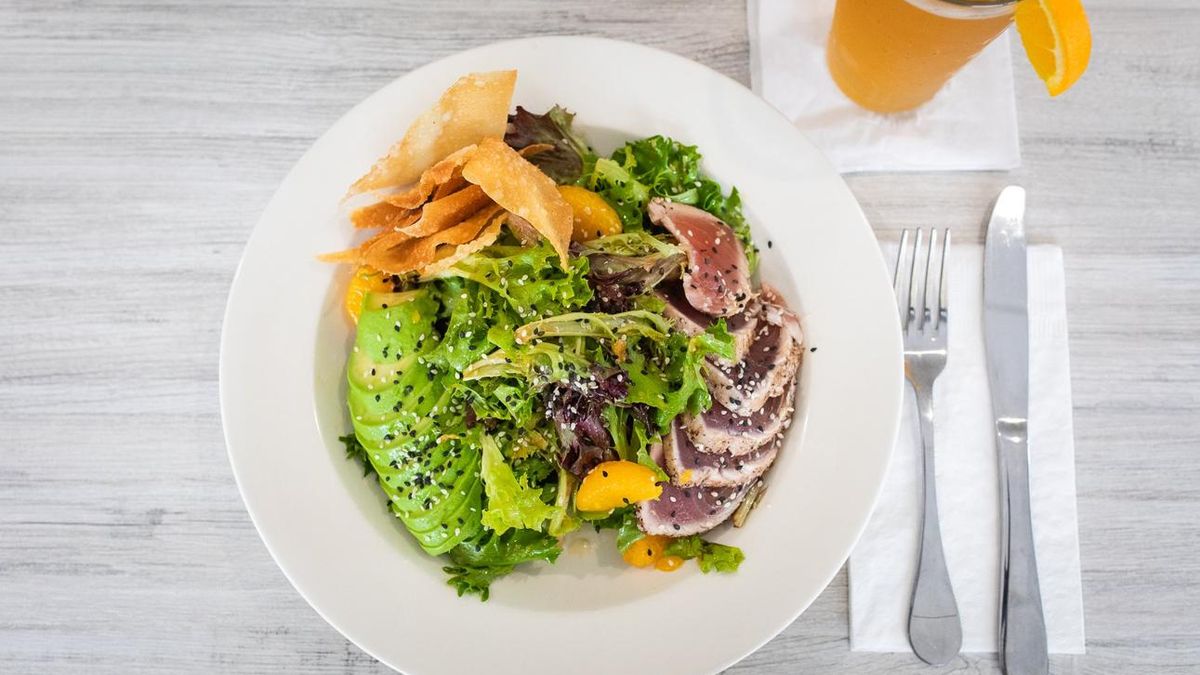
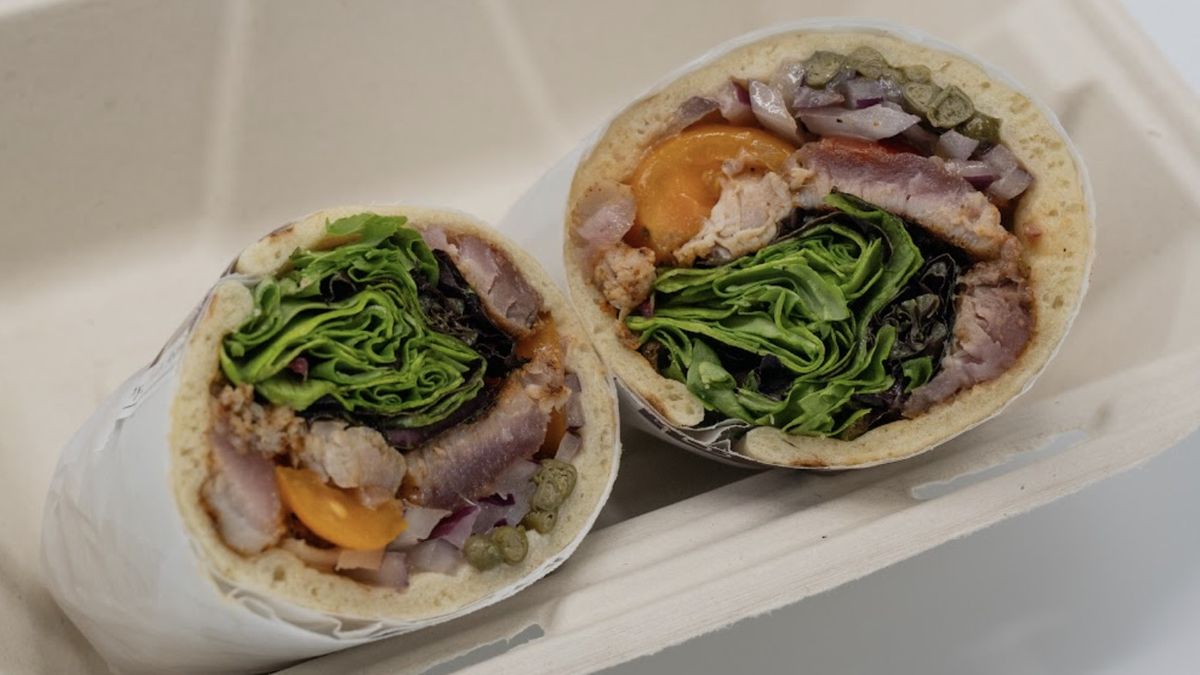
Whether you're stopping by on your lunch break or picking up something for dinner, you can choose between our fruit-forward Ono Island Ahi salad and savory Fresh Island Ahi Wrap.
Find your nearest restaurant through our Oahu locations page, or explore online ordering options for your preferred store.
Our ahi has a sourcing story we're proud to tell. We'd love for you to come enjoy it.